
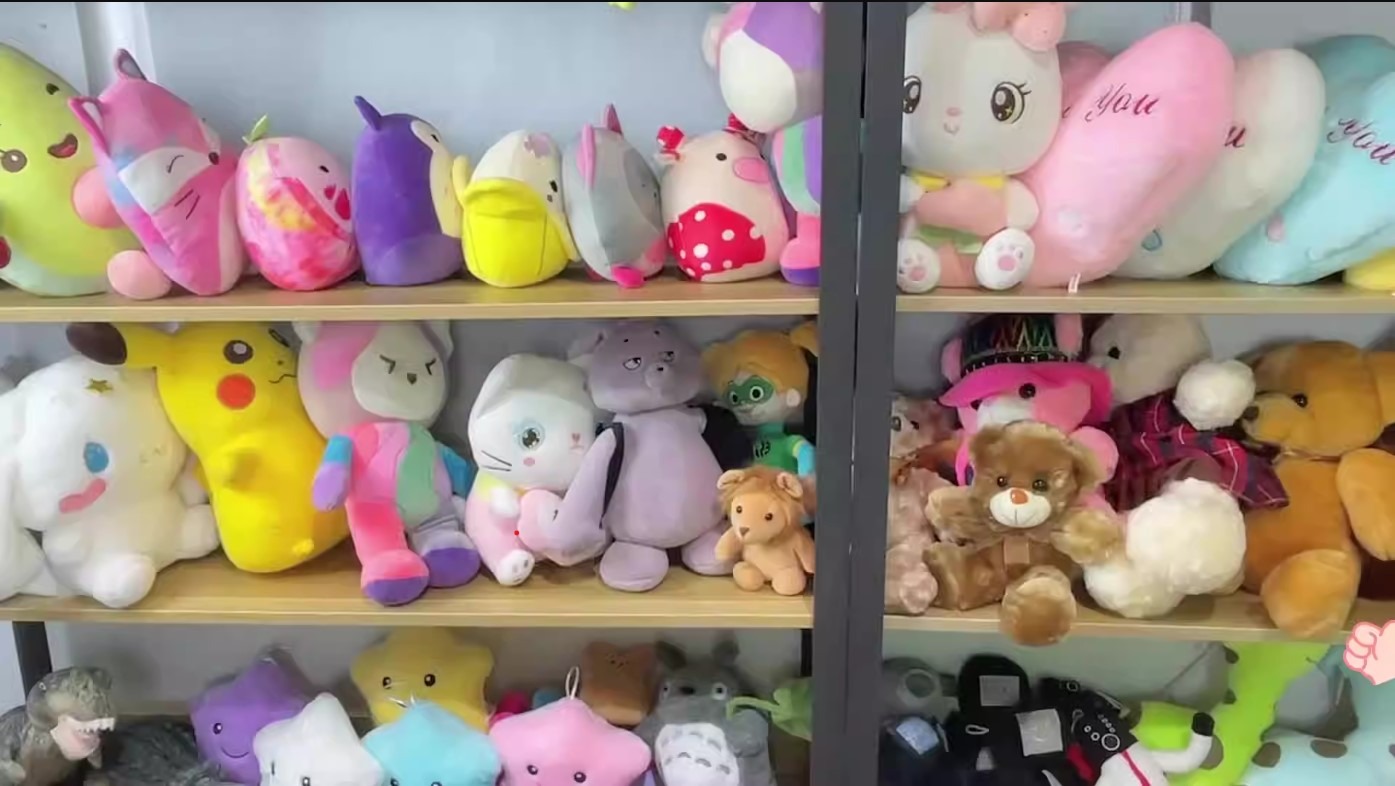
Choosing the right plush toy manufacturing partner is one of the most critical decisions a brand owner or sourcing professional will make. A poor choice rarely shows its consequences immediately. Problems often surface months later in the form of rejected shipments, failed safety tests, delayed launches, or customer complaints about seams opening and stuffing leaking.
For buyers serving the Canada and US markets, the stakes are even higher. Regulatory standards are strict, retail tolerance for defects is low, and logistics costs make rework financially painful. Plush Toy Manufacturing is not just about sewing soft fabric together. It is about managing materials, labor skill, safety compliance, production discipline, and supplier transparency at scale.
This guide explains how experienced buyers evaluate a Soft Toy Manufacturer beyond surface claims. It walks through real factory processes, decision logic, and red flags, so you can make sourcing decisions with confidence rather than hope.
Understanding What a Plush Toy Manufacturer Actually Does
Beyond Sewing and Stuffing
A reliable plush toy manufacturer manages a full production ecosystem that includes:
• Fabric sourcing and testing
• Pattern engineering and prototyping
• Cutting and stitching precision
• Controlled stuffing and shaping
• Embroidery and accessory attachment
• Safety testing and documentation
• Final inspection and packing
Buyers who only compare price per unit often miss these operational layers. That mistake usually leads to quality failures later.
Step One: Assess Manufacturing Experience and Product Focus
Why Specialization Matters in Plush Toy Manufacturing
Not all toy factories are plush specialists. Some manufacturers produce mixed products such as bags, apparel, or promotional items. While they may claim plush capability, their internal processes often lack the controls needed for consistent plush production.
A reliable Soft Toy Manufacturer typically shows:
• Dedicated plush sewing lines
• Experienced pattern makers for soft toys
• In-house sampling teams
• Knowledge of plush-specific fabrics
• Documented safety testing workflows
Ask for examples of plush toys similar to your product in size, complexity, and target age group.
Evaluating Fabric Knowledge and Material Sourcing
Why Fabric Selection Defines Product Quality
Plush toy fabric is not interchangeable. Minky, faux fur, coral fleece, PV velvet, felt, and nylex all behave differently during cutting, stitching, and stuffing.
A strong manufacturer can explain:
• Fabric pile direction and shading control
• Stretch behavior under seam tension
• Color fastness and wash durability
• Lot-to-lot variation risks
• Fabric suitability for age grading
What Happens When Fabric Is Poorly Selected
Real factory issues caused by weak fabric decisions include:
• Seams spreading after stuffing
• Excessive shedding during use
• Color bleeding after washing
• Failed flammability tests
• Rapid surface wear
Reliable Plush Toy Manufacturing starts with fabric engineering, not just fabric sourcing.
Pattern Development and Prototyping Capability
Why Prototypes Reveal Factory Competence
Sampling quality is one of the strongest indicators of manufacturing reliability. A factory that struggles with prototypes will struggle more with mass production.
During sampling, evaluate:
• Seam alignment and symmetry
• Stitch density consistency
• Stuffing distribution
• Shape retention after handling
• Responsiveness to revision requests
Factories that push samples through without iteration often hide production weaknesses.
Cutting and Stitching Precision
Stitch Density Control as a Reliability Indicator
Consistent stitch density is critical for preventing open seams and stuffing escape. Reliable manufacturers adjust stitch density based on fabric type and toy size rather than using fixed machine settings.
Signs of good stitching control include:
• Even stitch spacing under tension
• Reinforced stress points
• Clean seam finishes
• No visible needle damage
Inconsistent stitching often points to poor operator training or rushed production schedules.
Stuffing Ratios and Internal Structure
Why Stuffing Is a Technical Process
Stuffing is not simply filling space. It affects:
• Seam stress
• Toy weight
• Shape recovery
• Safety compliance
Experienced manufacturers test stuffing ratios during sampling and adjust seam construction accordingly. Overstuffing to improve shelf appearance is a common cause of seam failure.
Embroidery, Accessories, and Attachment Methods
Evaluating Decorative Element Safety
Eyes, noses, labels, and embroidery must meet pull test requirements for Canada and US markets.
A reliable Soft Toy Manufacturer will:
• Use embroidery instead of plastic parts for infant toys
• Secure accessories with reinforced stitching
• Document pull test results
• Advise on age grading risks
Accessory failure is one of the most frequent reasons for compliance rejection.
Quality Control Systems That Actually Work
What Reliable QC Looks Like on the Factory Floor
Strong Plush Toy Manufacturing partners do not rely on final inspection alone. They implement quality control at multiple stages:
• Incoming material inspection
• In-process stitching checks
• Stuffing weight verification
• Pre-packing inspection
• Random carton audits
Factories without layered QC systems depend on luck rather than process control.
Safety Testing and Compliance Knowledge
Mandatory Standards for Canada and US Markets
A reliable manufacturer understands and supports compliance with:
• ASTM F963
• CPSIA
• EN71 where applicable
• Phthalate and lead restrictions
• Labeling and tracking requirements
They should work with accredited third-party labs and provide documentation without resistance.
Consequences of Ignoring Safety Standards
Common outcomes include:
• Shipment holds at customs
• Retail chargebacks
• Forced recalls
• Legal exposure
Compliance is not optional. It is a core sourcing requirement.

Production Scale, MOQ, and Lead Time Realities
Matching Factory Capacity to Your Business
Small brands often choose factories that are too large and lose attention. Large buyers sometimes choose small factories that cannot scale.
Evaluate:
• Minimum order quantities
• Monthly production capacity
• Seasonal load management
• Buffer planning for delays
A reliable Plush Toy Manufacturing partner aligns capacity with your growth plan.
Cost vs Quality Trade-Offs in Manufacturer Selection
Understanding True Cost
Low unit pricing often hides:
• Lower stitch density
• Cheaper fabric substitutions
• Reduced QC steps
• Inexperienced labor
Experienced buyers compare total landed cost, including rework risk and brand damage.
In-House vs Outsourced Manufacturing Decisions
Some brands consider in-house production for control. Others outsource for scalability. Reliable manufacturers support transparent collaboration rather than defensive behavior.
Red Flags When Choosing a Soft Toy Manufacturer
Watch for:
• Reluctance to share test reports
• Unwillingness to revise samples
• Vague answers about materials
• No factory audit access
• Inconsistent communication
Red flags early usually become major problems later.
Industry Insights and Trends
• North American buyers increasingly demand traceable supply chains
• Safety testing costs are rising but unavoidable
• Retailers favor manufacturers with documented QC systems
• Smaller batch flexibility is becoming more important
These trends reward manufacturers who invest in process, not shortcuts.
Internal Linking Opportunities
• Plush Toys Manufacturing Process
• Custom Plush Toy Manufacturing
• OEM Plush Toys for North America
• Plush Toy Fabric Selection Guide
Suggested External References
• U.S. Consumer Product Safety Commission
• ASTM International Toy Safety Standards
• Intertek and SGS Toy Testing Services
FAQs
How can I verify a plush toy manufacturer’s reliability
Request factory audits, recent test reports, and production samples. Consistency across these areas indicates operational maturity.
Is it risky to work with a new soft toy manufacturer
New factories can be capable, but they require closer oversight, smaller initial orders, and stricter QC checkpoints.
Should I prioritize price or compliance first
Compliance must come first. Pricing can be optimized later, but failed compliance can destroy a brand overnight.
How many samples should I expect before approval
Two to four iterations are normal for complex plush toys. One-sample approval often signals rushed development.
Can one manufacturer handle multiple plush toy styles
Yes, if they have flexible production lines and experienced pattern teams. Ask for examples across product types.
What documents should a reliable manufacturer provide
Material specs, test reports, QC records, and packing lists should be standard, not optional.
Choosing a reliable plush toy manufacturing partner is not about finding the lowest quote. It is about finding a factory that understands materials, stitching, safety, and scale as deeply as you understand your market.
For brand owners, importers, and sourcing professionals in Canada and the US, disciplined manufacturer selection protects product quality, regulatory compliance, and long-term brand value.
If you are sourcing Plush Toys for custom development, OEM production, or bulk manufacturing, invest time in evaluating processes, not promises. The right partner will support growth. The wrong one will quietly erode it.