
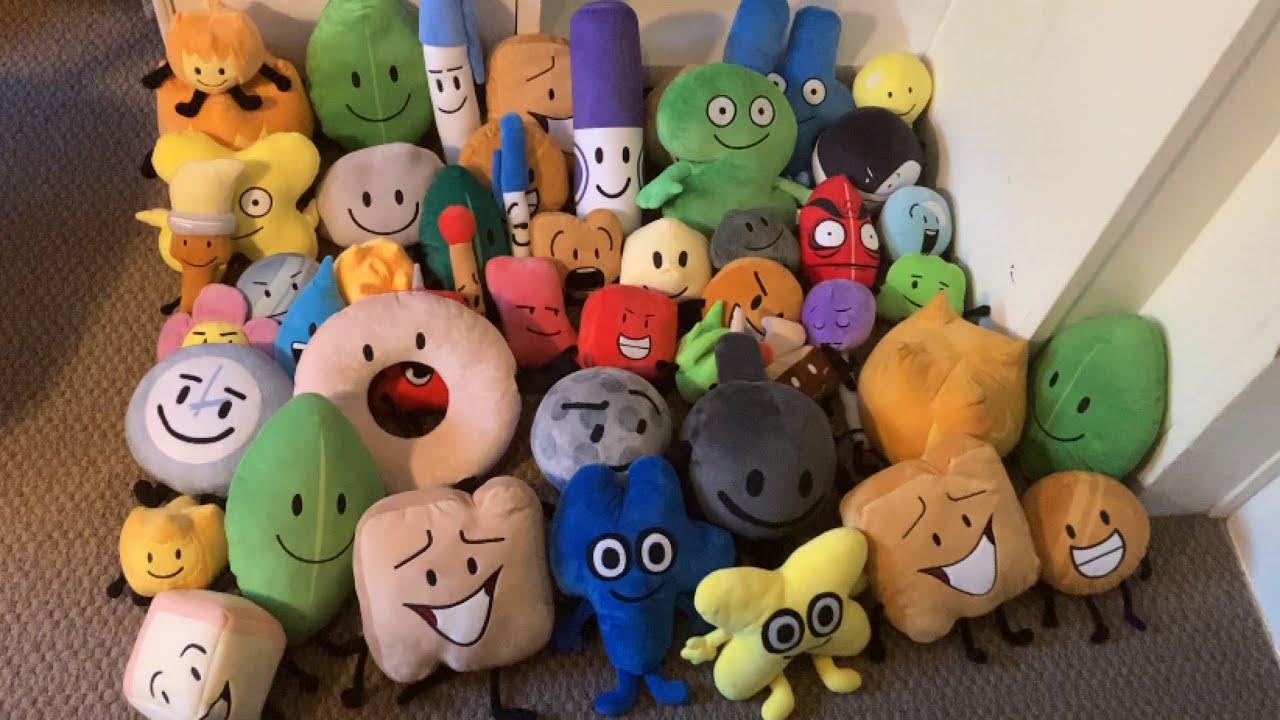
Why do other ぬいぐるみ remain soft and cuddly over the years, whereas others get lumpy or disintegrate? To business owners, shopkeepers, and parents, the decision on the plushie to buy can be a huge puzzle.
There are lots of factories and lots of materials, so you may think about how to find one that is actually high-quality, safe, and extra soft.
Our company, https://plushtoys-factory.com/ deals with the softness and quality of products. You can choose the perfect stuffed toy because we tell you what makes a stuffed toy great.
What Are Plush Toys?
A stuffed animal, otherwise known as a plush toy, a stuffie or soft toy, is basically a toy that you can hold. It is manufactured using soft garments on the exterior and stuffed with fluffy stuff on the interior like polyester fiber or cotton.
A wonderful ぬいぐるみ must possess three things:
Cuddly: Oh, it must feel nice to you.
Safe: It must not contain any loose components that can fall and stick out.
Hardy: It will have to go through numerous adventures and matches.
The plush toy is not only a childhood toy but also a formidable brand, emotional comfort, and retail phenomena around the globe.
The Wonderful world of Plush Toys Types
Imagine a stuffed animal to be not just a teddy bear. In the production as well as sales there are a great number of types of plush toys each having its purpose.
You are an owner of a business who wants to have a mascot or you are a retailer who wants to stock up before the holidays, the categories will give you a good idea of what to do.
The following is a closer look on the various types of plush toys :-
Animal Plushies Toys
These are the classics. The most popular globally are animal plushies which include teddy bears, bunnies, and lions among other varieties.
Why they are special:
– They introduce nature and friendship. To a child, a plush dog is not just a toy, it is a best friend, one that listens.
– To collectors, realistic animals are valuable as a work of art.
Best for:
– Nursery decorations, birthday items, the shops of the zoos or aquariums.
Character & Pop -Culture Plushies (The Fan Favorites)
They are the toy world celebrities, who are based on movies, cartoons, or viral video games.
Why they are special:
– Instant emotional attachment. Fans adore a character that they have watched a lot and in the form of a hug.
Best for:
– licensed merchandise, movie releases, gift sets.
The Growth Partners: Educational Sensory Plush
In the format of infants and toddlers these toys are learning tools featuring sensory aspects such as crinkly paper, different textures or concealed rattles.
Why they are special:
– They assist babies in their touch, hearing and fine-motor development by playing.
Best for:
– Infancy personalities and luxury baby shops.
Custom and Branding Plush (The Marketing Secret Weapon)
Where business meets cuddly. Personalized ぬいぐるみ are the company or brand mascots.
Why they are special:
– In the digital-ad era, a physical plush is a consistent reminder that creates a warm brand image, not just a plastic pen.
Best for:
– Company logos, trade show gifts, promotions.
Plush and Comfort, weighted (The New Frontier)
The weighted plush trend is a trend that adds glass or plastic beads to the toys to make them grounded.
Why they are special:
– The additional weight acts as a gentle embrace, which is scientifically verified to eliminate anxiety and sleep better, which are popular among children and adults.
Best for:
– Wellness brands, offices of therapies, retailers of lifestyle.
Functional & Pillow Plushies
New designs are used as travel pillows or room cushions, but they are designed using marshmallow-like stuffing and stretchy cloth.
Why they are special:
– They mix the fun and utility of using pillows, which are very useful in car rides or any other time.
Best for:
– Travel gift shops, bedroom decor teen.
Materials Used in Plush Toys
Plush toys are highly dependent on the type of materials they are made of in deciding on how soft, durable, and safe they are. The difference in the quality of the fabric and the filling inside the stuffed toys can make the difference in the length of time these toys will be cuddly and comfortable, though a lot of them may appear similar on the surface.
Outer Fabric
The first thing that people notice (and even touch) is the outer fabric. Plush toys of high quality are fabricated using soft materials that are skin friendly and do not give them an unpleasant touch. Fabrics also used are cotton, fleece, velvet, and microfiber which are popular.
Cotton is soft and breathable and this is suitable on baby ぬいぐるみ.
Fleece is soft and fluffy and suitable for comfortable stuffed animals.
Velvet is an upscale and luxurious finish that is commonly utilized in plush designs that are high-end.
Microfiber is wearproof, non-slippery, and strong, and thus toys lose their appearance with time.
Manufacturers of premium ぬいぐるみ consider using hypoallergenic and child-safe material important to avoid irritation and guarantee safety of sensitive skin.
Plush Toys Filling Materials
The stuffing of a plush toy defines the experience of hugging the toy. Polyester fiberfill is the most popular stuffing media. It is light in weight, strong and does not lose its shape even after use. This substance is used to make plush toys soft and fluffy as opposed to flat or lumpy.
The more expensive plush toys can have organic cotton fillings or recycled fillings of eco-friendly filling materials. These eco-friendly alternatives are gaining popularity among brands that are more concerned with the environment and among parents seeking more safer alternatives.
Durability is also determined by the density and quality of filling. Well-spread fiberfill makes it even soft and permanent in its shape.
Safety Standards for Plush Toys
It is paramount that safety is upheld particularly in ぬいぐるみ that are supposed to be used by babies and toddlers. Secure stitches, reinforced seams and embroidered eyes are used on high quality toys to remove choking hazards, as opposed to plastic buttons. Besides, the manufacturers are supposed to use non-toxic dyes that satisfy the safety standards in the world.
When buying plush toys, it is necessary to buy those products that meet the accepted international safety standards. This makes the toy soft, attractive and safe to be enjoyed by the children.
Uses of Plush Toys
In actual fact about ぬいぐるみ, cuddling is not the only thing that these tender friends do. They used to make children feel strong and build brands by businesses. In Plushtoys- Factory.com we can see how stuffies can be an ordinary piece of cloth turned into one of the most effective tools of comfort and marketing.
An Emotional Support Best Friend
A plush toy is considered more than a plaything to many children; it becomes the first best friend to a child. It accompanies them by bedtime and car rides and new adventures. These types of toys are referred to as transitional objects by psychologists as they offer safety and security to the child even in the absence of his or her parents.
That comfort is profound. It can be the first day of school or a doctor visit, a thunderstorm, or just bedtime. Snuggling a favorite plush will help a person get over their fears and relieve stress. Cuddling, being used to, and smell of an old stuffed animal comfort the child most when it is needed the most.
Just one cuddle will sometimes make the world a safe place again.
A Tool for Adults
Plushies aren’t just for kids. They are used by many adults as a way of relieving anxiety. The weighted plush toys are rising in popularity, becoming heavier than regular ぬいぐるみ。. They give people a feeling of being grounded and relaxed following the stressful day.
The Ultimate Corporate Handshake
It is a challenge to be unique in the business world. A majority of the firms issue plastic pens or stickers that are thrown away so easily. A Custom Promotional Plush, however, people never throw away almost.
Developing a Brand Bond: A company that transforms the mascot into a high-quality plushie will generate an emotional attachment to the customer. A good mascot on the desk of a client will be a friendly constant reminder of that brand.
Company Culture: Warm welcome of new employees in the company also involves the use of custom plushies as a welcome gift. It is a terrific idea of making a person feel like a family member on the first day.
Retail and E-commerce Top Sellers
I have observed social media posts of Viral Plushies. They are electronic and adorable, thus are ideal in the contemporary online store.
Impulse Buys: Plushies are popular among online buyers, which include mood-changing octopuses, giant squishy pillows, and others. They are lightweight to ship, they are spectacular to unbox, and they also provide instant happiness once the package is opened. To an e-commerce owner, they constitute a product that is of high demand and has a very low turnover rate.
Special Milestones of Gifts for Life
The universal gift is plush toys. You do not have to be aware of the size of a shirt or the preferred technology device of the other person to present them with a fantastic plushie.
Making Memories: They are the best sellers in baby showers (soft rattles), in a Valentines day (classic heart bears), and even in a graduation (mascots in mini caps and gowns). A good ぬいぐるみ can result in a souvenir that can be remembered in a family decades later.
Brand Mascots and Licensed Merchandise
Consider your preferred film or videogame. It is likely that there exists a plush of the lead character.
Bringing Stories Home: Licensed merchandise enable the fans to carry a part of the movie or game into their life. By playing with a superhero plushie, a child remains in touch with that brand on a daily basis. This fosters lifetime allegiance of the film studios and the gaming companies.
In case you are willing to design,create or to source high-quality ぬいぐるみ, consider our Plush Toys custom manufacturing service and order a quotation at present.
結論
Plush toys are far more than simple soft play items. They are engineered textile products that combine material science, safety compliance, industrial stitching processes, filling technologies, and psychological design principles. What appears to be a soft animal on a shelf is actually the result of deliberate choices in fabric selection, seam construction, stuffing density, dye stability, embroidery techniques, and safety testing.
From a manufacturing standpoint, ぬいぐるみ must balance softness with durability. The outer fabric must resist pilling and tearing. Internal stitching must withstand repeated compression and pulling. Filling materials must maintain loft without clumping. For children’s products, regulatory compliance adds another layer of complexity, including flammability standards, chemical restrictions, and mechanical safety testing.
よくある質問
1. What materials are most commonly used in plush toys?
Plush toys are typically made from synthetic fabrics such as polyester, velour, fleece, or plush minky due to their softness and durability. Polyester fiberfill is the most common stuffing because it is lightweight, resilient, and cost effective. Higher end plush may use memory foam, weighted pellets, or organic cotton. Safety compliance often determines material selection, especially for children’s products, where non toxic dyes and flame resistant properties are required.
2. Are plush toys safe for infants and toddlers?
Plush toys designed for infants must meet strict safety regulations. They should not contain small detachable parts like plastic eyes or loose buttons that could pose choking hazards. Seams must be reinforced, and filling must be securely enclosed. Fabrics should be hypoallergenic and free from harmful chemicals. Always verify compliance with regional toy safety standards before purchasing or manufacturing.
3. What is the difference between stuffed toys and plush toys?
The terms are often used interchangeably, but technically, a plush toy refers to the soft outer fabric texture, while a stuffed toy refers to the internal filling. A product can be stuffed but not plush if it uses woven fabric instead of soft pile fabric. In modern manufacturing, most commercial stuffed toys use plush materials, so the distinction is largely semantic in everyday use.
4. How are plush toys manufactured at scale?
Large scale production begins with digital pattern development, followed by automated fabric cutting. Pieces are stitched together using industrial sewing machines. Details such as embroidery are added before final assembly. The toy is then turned right side out, filled with fiber or pellets, and sewn closed. Quality inspection checks seam strength, alignment, and appearance before packaging and distribution.
5. What factors affect the cost of plush toy production?
Material type, fabric quality, stitching complexity, size, filling density, and accessory components all influence cost. Custom shapes and embroidery increase labor time. Compliance testing adds additional expense, especially for children’s products. Production volume significantly affects pricing, as higher quantities reduce per unit manufacturing cost due to efficiency in cutting and sewing processes.