
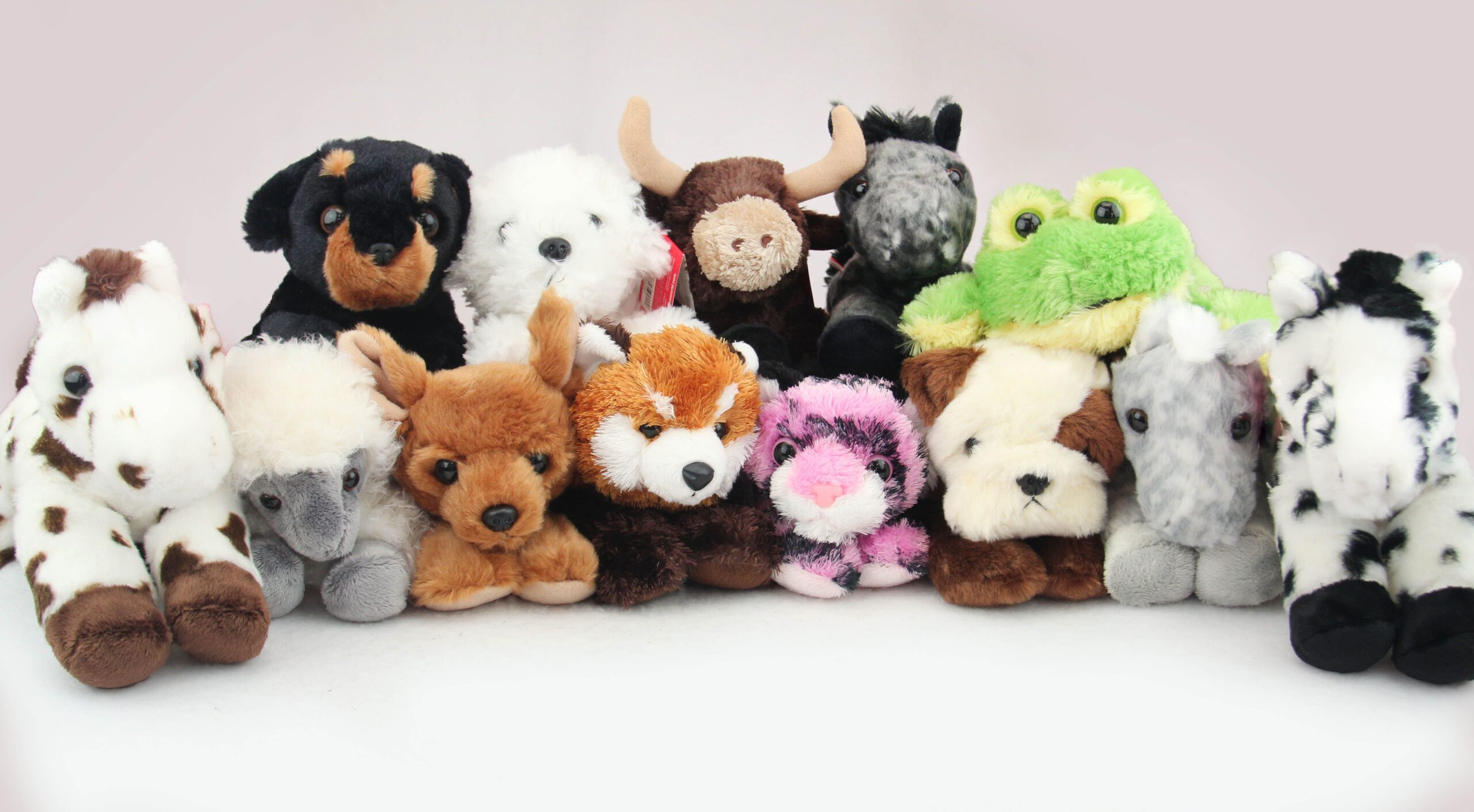
Go to a toy store and say to the clerk, I want a plushie, the shopman will show you the same shelf where stuffed animals would be located. To the average individual, the two terms are synonymous, that is, the two names used to denote the same cuddly pet.
But on looking at manufacturing, retailing, and circles of collectors, the terms begin to convey different meanings.
You can be a parent, who is seeking an enduring present to a newly born baby, a businessman, who produces a brand mascot, or a collector, who is eager to find a high-end exhibit: this is what you need to understand between ぬいぐるみ and Stuffed Animals.
Here, in this guide the history, materials, body shape and the intended use of these soft companions will be discussed to establish whether one of them is really superior to the other.
The Fundamental Meaning: What the Soft Toy Family Means
At core both items are members of the soft toy family. A soft toy is any toy that has a cloth cover and is made out of a flexible stuff.
It is time to discuss the industry point of view and technical definitions of all terms.
soft toy
What is a Stuffed Animal?
The most commonly used name is a stuffed animal, the traditional, classic name in North America. It literally explains how a crocheted or sewn animal such as a bear, dog or cat is stuffed. This is a name that evokes a sense of nostalgia, childhood and play. It insinuates a toy as a child’s companion, one that may be dragged across the grass, thrown around a playroom, and cuddled until its fur grows tired of all the games life brings.
What is a Plush Toy?
The word plush is literally the kind of fabric, a rich and fine, silken fabric with a deeper pile than regular velvet. With time, plush changed into the slang plushie. The word is more current, fashionable and classy. A stuffed animal has traditionally resembled a living thing, but a ぬいぐるみ can be anything, a soft piece of pizza, a popular cartoon character, a planet or a branded corporate logo.
Materials and Texture: The Sense of the Material
In cases of a comparison of a ぬいぐるみ with a stuffed animal, the biggest difference is generally the feel of the outer fabric and the technology that produced it.
The Old-Fashioned Stuffed Stuff
Classic stuffed animals are usually made with a combination of materials that are concerned with realism and durability and not with pure squishiness. Imagine an old teddy bear or an expensive antique dog; the material may be mohair or wool or some kind of short-pile synthetic fur. The toys are constructed to carry a given structure that resembles actual fur. They are durable and usually have internal “joints/ plastic armatures enabling the limbs to be posed.
The “Plush” Experience
Plush toys concentrate on sensual and tactile delights. The manufacturers focus on such materials as Minky or microfibers of high-technology. These clothes are designed to be unbelievably soft-as-a-cloud or marshmallow. A contemporary plush tends to be squashy and not firm and that is why plushie is a successful term among people who want to feel better and anxious, the squashiness of the plush is an extreme of softness itself and its softness is a hugging effect.
Body Shape and Structure: The Way of Their Construction
The name that is on the shelf is usually determined by the design of the factory.
Realistic vs. Stylized Anatomy
Stuffed animals are inclined to real anatomy. A stuffed dog resembles a real dog, its snout is defined, the legs are four, there is a tail, and natural proportions. This realism aids the children to study how to play with animals and the nature.
Plush toys, on the contrary, are stylized. They steal the attributes of a character and distort and overdo them because it is cute. Imagine the Japanese style of the Chibi- giant head, little body, big eyes. A plush will have no obligation to the laws of nature; it can be a squishy, egg-shaped ball with little detail in it.The Use Cases: Playtime vs. Branding vs. Comfort
The term we choose to use to refer to a toy often varies with the usage of the toy.
The Stuffed Animal as a Rite of Passage in Childhood.
To children, the stuffed animal would trigger imagination and develop them. They do it to play an imitation game, such as house or doctor. In that regard, it becomes part of their own world, which may be a sort of transitional object that can have a reassuring effect when parents are not present. It is rugged enough to endure washing machines, sandboxes and outdoor escapades.
Plush Toy as a Branding Powerhouse
The promotion items of business owners always nearly refer to the toys as plush or custom plush. Why? The company mascot may be a robot, lightbulb, brand logo or something that is not an animal. A custom plush makes a cold corporate concept warmer, friendlier, and more cuddly. These items allow the brands to establish an emotional handshake with the customers and transform a brand identity into a physical companion living in the house.
Weighted Plush, Modern Trend, Adults
The idea is that eventually, the trend of the weighted plush as an adult will spread across numerous regions worldwide, and an increasing number of people will be drawn to the product (Kim 2020, 15).
Plush toys that contain weighted glass or plastic beads are used by adults to deal with stress and sleep better. They frequently bear in mind wellness objectives and might not appear like animals, hence the common name of plushies.
Differences in manufacturing: Factory Backstage
When it comes to a factory, it is usually reduced to the pattern complexity and density of the stuffing during assembly.
Huggability and Stuffing Densities
Normal stuffed animals are stuffed solid to retain their shape. They are able to stand on a shelf, sit on a bed, or maintain a realistic position. New ぬいぐるみ are made with lighter airy polyester fiber fillings. This provides them with a slow-rise squishiness that has reached a viral status. The purpose of a plushie is to be as compressible as possible; a stuffed animal wants to retain its own shape.
Safety and Features
The two categories should be of high safety standards. The eyes and mouths are also normally embroidered and designed to sew onto the fabric, providing a smooth, seamless texture which is more child-safe on the infants.
Stuffed animals can also be made using hard plastic safety eyes that have a metal washer in them. These give a plush feel a realistic, twinkling appearance but a hard touch which alters the plush.
Collectibility and Culture of Hype
The mode of interest of the collectors and the kidults has led to the use of the term plushie, which has resulted in high demand in the releases of limited editions.
The Rise of Limited-Edition Plushies
A movie studio or a video game developer refers to such merchandise as a plush. These are usually display limited editions. Collectors are concerned with the structure, the quality of the fabrics and hang tags. A stuffed animal is an object that you play with, whereas a plushie is an object that you amass, trade, and display.
Differences in Cultures in the use of terminologies
Soft toy or cuddly toy is most commonly used in the UK and Australia. In Japan it is known as Nuigurumi and has had a significant impact on the plushie movement in the rest of the world.
Stuffed animal is increasingly being supplanted by plush in the U.S., as the world becomes more contemporary and, more inclusive.
Which one of them Should You pick?
Therefore, which is the winner in the plush Toys versus Stuffed Animals debate? That is all up to you and what mood you are trying to achieve.
- Choose a “Stuffed Animal” if:
You want a conventional, real-life looking friend to a child that can withstand years of hard-boiled playing and look like a genuine puppy, a real kitten or a real bear. It is perfect in the traditional nurseries and learning play.
- Choose a “Plush Toy” if:
You need something ultra soft, a movie character, something squishy and a business mascot. It is the decision of the contemporary branding, health, and collectors.
The Conclusion: A World of Softness
They may be ぬいぐるみ or stuffed animals, but they serve a fundamental human need of comfort, closeness, and companionship. The process of creating a friend which a soft toy goes through even to the bedroom shelf becomes more than just fabric and thread, especially on the factory floor.
With the advancement in the manufacturing technology, the boundary between these terms will be obscured even more. There are an increasing number of stuffed animals being produced using plushie fabrics and of plushies that are produced using animal-like structures.
よくある質問
1. Are plush toys and stuffed animals the same thing?
Plush toys and stuffed animals are very similar, but they are not exactly the same. A stuffed animal usually refers to a soft toy designed to look like a real animal such as a teddy bear, rabbit, or dog. A ぬいぐるみ is a broader term that includes stuffed animals as well as characters, cartoons, and fantasy creatures. In simple words, all stuffed animals are plush toys, but not all plush toys are stuffed animals.
2. Why are plush toys called “plush” toys?
Plush toys are called “plush” because they are made with ぬいぐるみ用の生地, which is a soft and fuzzy textile. This fabric gives the toy its smooth, cuddly texture that people enjoy touching and hugging. The plush material is usually made from polyester fibers that are durable and comfortable. Because of this material, plush toys feel extra soft compared to many other toys.
3. What materials are used in plush toys and stuffed animals?
Both plush toys and stuffed animals are made using soft fabrics and filling materials. The outer layer is often made from polyester, fleece, or cotton plush fabric. The inside is filled with polyester fiberfill, cotton, or foam stuffing to make the toy soft and lightweight. Some toys also include plastic safety eyes, embroidered features, or small accessories for decoration.
4. Which is more popular, plush toys or stuffed animals?
Both plush toys and stuffed animals are extremely popular, especially with children. Stuffed animals like teddy bears have been popular for more than 100 years. Plush toys have become even more popular today because they include cartoon characters, movie mascots, and game characters. This variety makes plush toys attractive to children, teenagers, and even adult collectors.
5. Are plush toys only made for children?
No, plush toys are not only for children. Many adults collect plush toys because they represent favorite characters, brands, or memories. Some plush toys are also used as decorative items, promotional products, or brand mascots. In recent years, plush toys designed for adults have become popular as comfort items and collectibles.