
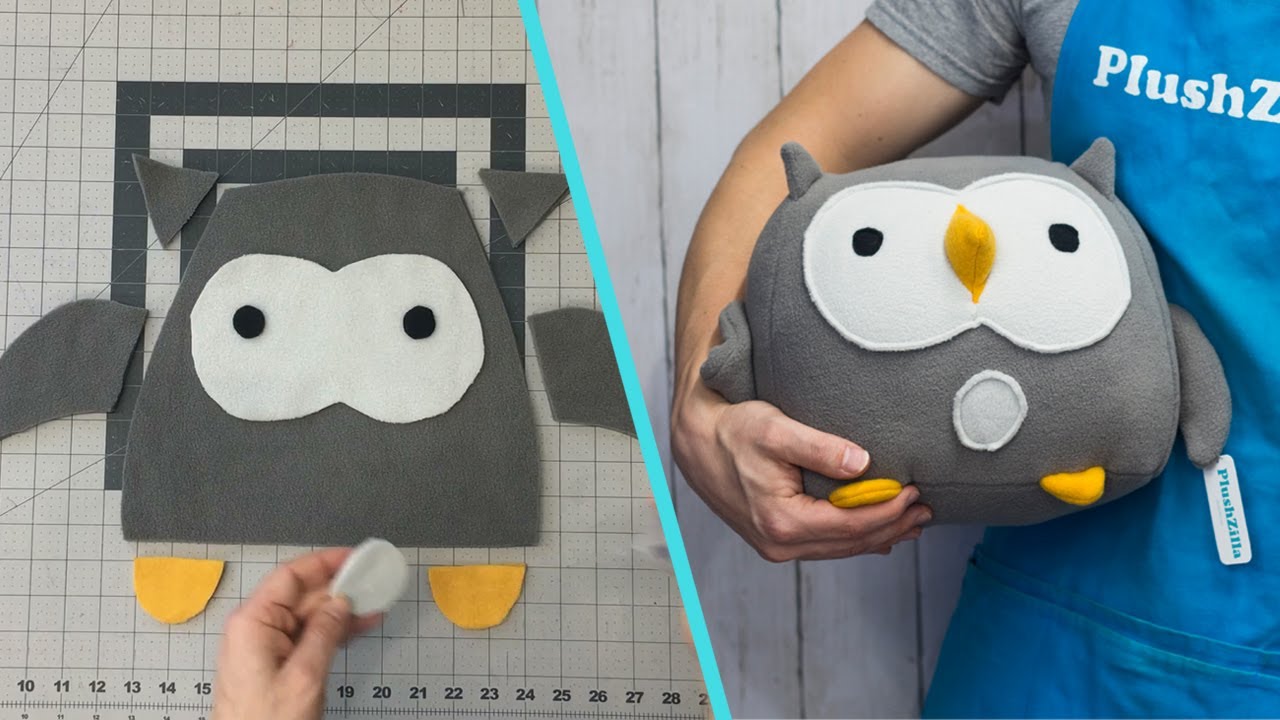
One of the most loved products of the world is the ぬいぐるみ. Soft toys are all-time favorites, and they range between the traditional and high-tech toys, which are a hundred years old.
However, making an idea into a cuddly toy is much more complicated than a majority of the people would think. It takes you the way through the design studios and material science laboratories and precision-seaming floors.
The product designers, retailers and manufacturers of stuffed toys must know how they are made. This guide details the industry standards that make what can be considered as a flat concept to be a three dimensional, huggable friend.
Step 1: Development of concepts and design
All the ぬいぐるみ begin with an inventive germ. This is the so called Design and Development phase in industry terms, when the physical characteristics of the toy are determined. Since ぬいぐるみ are soft goods, their shape may not be fixed by handling as is the case with rigid plastic or wooden toys.
The 2D to 3D Translation
Typically, the process starts with the drawing or computer-generated sketch that is two-dimensional. Pattern drafting is the ability of designers to read the two-dimensional image and imagine the three-dimensional one.
An example is the round cat that looks ideal on paper, however, joining two flat circles together by sewing would create a toy of the shape of a pancake.
Technical Specifications
Once the visual design is completed, a technical spec sheet is made. It is the master instruction guide of the factory, which contains specific measurements, Pantone colors, and the exact position of the eyes, mouths, and logos. This ensures consistency regardless of the number of toys that a factory is plush toys manufacturing ten or ten thousand toys.
Step 2: Procuring and choosing of materials.
The quality of a ぬいぐるみ will rely on materials. The most important element in the industry is a sense of touch, or, in other words, the tactile quality of the toy.
Outer Fabrics (The “Skin”)
The manufacturers choose the fabrics according to the use of the toy and what age group the toy is going to. Common choices are:
Minky: a high-end polyester, which is very soft, stretchy to a certain degree, and hypoallergenic, is perfect with babies.
Velboa: a rugged short pile faux fur that is easy to wash and lasts long-lastingly- used either in outdoor play or as pet toys.
Coral fleece: a heavier fluffy material that is worn to form shaggy or hairy appearance, e.g. bears or monsters.
Eco-friendly Clothes: a lot of factories currently work with the material known as RPET, which is a recycled plastic-bottle cloth, and it causes less environmental damage.
Inter stuffing (The soul)
The most common stuffing is polyester fiberfill. It is very light, free of allergy and strong-springing-to-form, after compression it goes back to its original shape.
Other specialized toys also have:
Plastic Pellets: tiny, non-toxic balls that are used to add weight to a toy in the bottom to enable the toy to stand upright.
Squeakers and Sound Chips: electronic devices which provide some form of interactive response, usually by rubbing the hand or belly.
Safety Compliance
All materials should be subject to high standards. In ASTM F963 (U.S.) and EN 71 (Europe), the fabrics are actually non-toxic, lead-free, and flame resistant. The choice of materials is hence concerned with both safety and softness.
Step 3: Making and Cutting Pattern
After materials are selected and design is completed the factory should produce the puzzle pieces that will be sewn. This is a technical phase that incorporates math and art.
The Pattern Master
Pattern maker is an object used to make the 3-D design in a flat form. Even a plain teddy bear becomes cut into numerous parts and that includes front head, back head, two ears, snout, torso, and four limbs. Each item will have a seam allowance (usually of approximately 5mm) to avoid contraction during sewing.
Cutting with Precision
In mass production, fabrics are seldom hand cut. Rather, Laser Cutting or Die-Cutting machines are used in factories.
Laser Cutting: The laser beam is directed by a computer through the fabric in multiple layers and slices through the fabric with great precision. The edges are sealed with heat using the laser so that they do not fray.
Die -cutting: a metal punch cuts a piercing shape into the material resembling a large cookie cutter.
These advanced technologies ensure the same pieces. When the cuts are not made accurately, once the toy is sewed it will be either crooked or asymmetrical.
Step 4: Sewing and Assembly
The time consuming aspect of the activity is sewing. It involves a great degree of human labour. Having updated technology, a sewing machine still requires a human being to control the fabric.
The Assembly Line
Sewing happens in stages. The ears, tails or wings are sewed in small parts. They are referred to as sub- assemblies. Then the sub-assemblies would be connected to the larger body pieces. Special machines to make a kind of overlock or safety stitch are used in professional factories. These stitches are extremely tight and therefore when a child pulls on the arm of a toy, he will not break the sew.
Adding Features
The face is added before the whole body is completely closed. Previously, glued on eyes were made out of plastic. Computerized embroidery is currently used in most professional toys. The machine sews the eyes, nose and mouth onto the cloth using high strength thread. This is less hazardous than plastic parts, as nothing can be pulled and swallowed. When plastic eyes are utilized they should be the so-called safety eyes that have a washer inside that ensures the eyes are permanently locked.
Step 5: Stuffing and Shaping
Once it has been sewn, the toy appears to have an empty inside-out skin. It has to be inverted upside-down and stuffed in order to give it its final form.
The Stuffing Machine
The toy sits on a nozzle. It is blown into using compressed air into a machine that deposits polyester fiberfill. The amount of stuffing is measured accurately. Excessive stuffing makes the toy tough. Excessive lightness results in wrinkled stuffing. In some factories very small or complicated toys are hand stuffed in areas inaccessible by the nozzle.
The Human Touch
Once they are filled by the first person (the machine) there is another individual that picks up the toy and is known as a shaper. Their hands are used to press stuffing into the distant parts of them, paws, ears, nose. They provide balance and symmetry of the hand. Lastly, the stuffing hole is stitched close with a hidden or ladder stitch which is invisible. The sewing is not visible externally, and this produces a neat appearance.
Step 6: Control of quality and safety testing
The last procedure is the most stringent. The ぬいぐるみ should go through a safety gauntlet in order to comply with global regulations before it can be sold. This is what constitutes the most significant section of the professional manufacturing cycle.
Metal Detection
All professional factories are equipped with a metal detector conveyor belt. Each toy has to go through the machine. The detector detects any metal fragment or broken sewing needle. In case of the machine beep, the toy is then thrown away. this is an indispensable step to great retail markets.
Tension and Torque Testing
The machines are operated by the inspectors to apply the force on limbs and attached parts such as tags or eyes to a given extent. This pull test makes sure that the structure is sturdy enough to be roughly played with and will not fall into pieces that can cause injuries.
Final Aesthetics Check
The employees undergo a grooming stage. They cling off loose threads, vacuum the lint and brush the fabric to give a flawless appearance.
Step 7: Packaging and Impact on the Environment
Packaging now tells a story. A large number of manufacturers abandon plastic bags in favor of recyclable cardboard or compostable substances
The Significance of Productivity
A lot of large ぬいぐるみ are vacuum-packed to reduce the costs of shipping and carbon footprints. Eliminating air causes the toy flat to be smaller such that the number of units in a single container can be more. As the customer opens the bag, the toy will inflate back to its shape. This physics trick makes the industry affordable across the globe.
Summing It Up: The Importance of the Process
The process of drawing to creating a toy is a blend between the ancient techniques and new technology. All the processes such as body design to ultimate metal detection are safety, durable, and comfortable.
A high-quality ぬいぐるみ has survival in a disposable-product world. With these steps of the industry, those who manufacture products produce products that fill shelves and are treasured over the years.
Regardless of whether it is a promotional mascot, a gift, or a childhood teddy, the attention to the details in the manufacturing process creates a special toy of a plush.
It can be seen that every stitch is dedicated to quality, allowing the toy to endure the lifetime of embraces and the memory
FAQS
1. What materials are used to make plush toys?
Plush toys are usually made from soft fabrics like polyester, cotton, fleece, or plush fabric. The inside is filled with polyester fiberfill or cotton stuffing to make the toy soft and huggable. For details such as eyes and noses, manufacturers often use plastic safety eyes, embroidery, or felt pieces. These materials are chosen because they are soft, durable, and safe for children.
2. How long does it take to make a plush toy?
The time required to make a plush toy depends on its size, design, and production method. A simple plush toy in a factory can be produced within 30 minutes to a few hours using automated sewing and cutting machines. However, handmade plush toys may take several hours or even a full day because every step is done carefully by hand.
3. What is the first step in making a plush toy?
The first step is designing the toy. Designers create sketches or digital models that show the toy’s shape, size, and features. After that, the design is turned into pattern pieces which act like templates for cutting fabric. This step is important because it ensures all parts of the toy fit together properly during sewing.
4. How are plush toys stuffed?
After the fabric pieces are sewn together, the toy is filled with soft stuffing material, usually polyester fiberfill. The stuffing is added through a small opening in the toy. Workers carefully adjust the amount of filling to make sure the toy is soft, evenly shaped, and comfortable to hug. Once filled, the opening is stitched closed.
5. Are plush toys safe for children?
Yes, most plush toys are designed with child safety in mind. Manufacturers follow safety standards such as using non-toxic materials, strong stitching, and secure safety eyes. For toys meant for babies or toddlers, features like plastic parts are often replaced with embroidered eyes and noses to prevent choking hazards.