
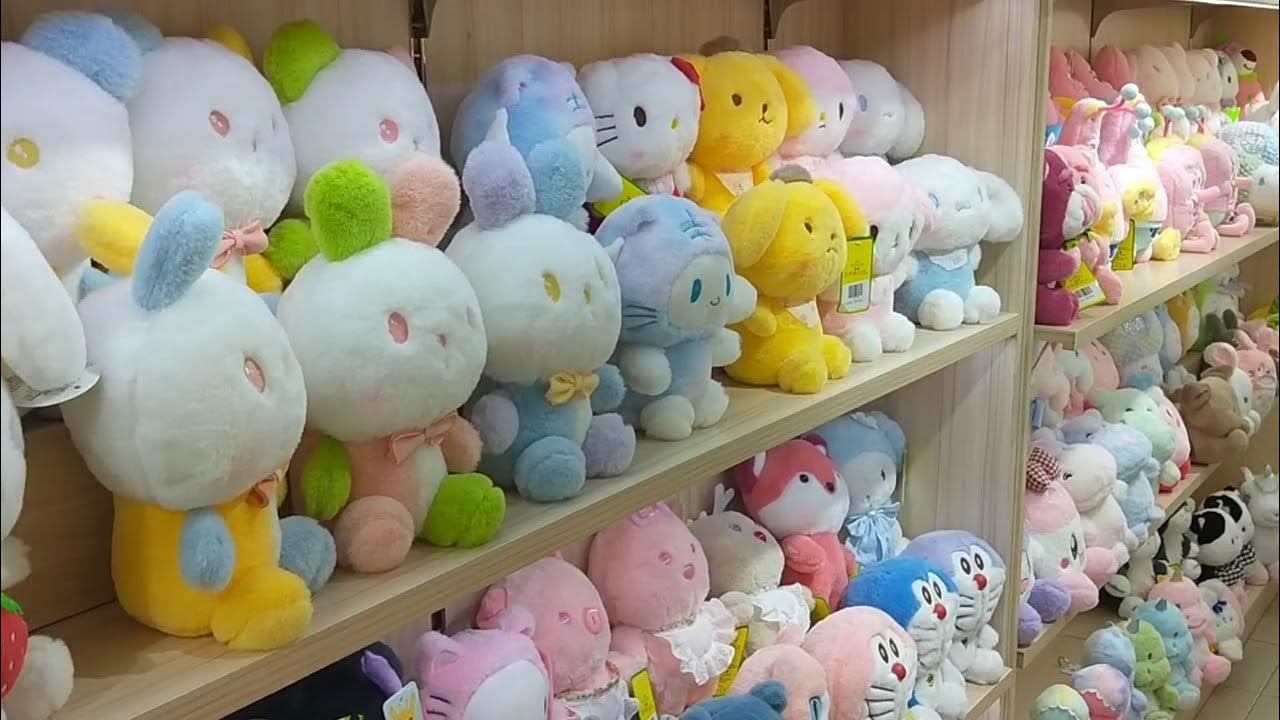
Plush toys look simple on the shelf, but anyone who has worked inside a plush toys manufacturing factory knows they are one of the most detail-sensitive consumer products to manufacture at scale. A single plush toy combines textiles, soft materials, stitching engineering, safety compliance, manual labor, and quality control, all under tight cost and delivery constraints.
For brand owners, OEM buyers, importers, and procurement managers, understanding how plush toys are actually manufactured is essential. Poor decisions early in design or sourcing almost always surface later as rejected batches, failed safety tests, missed delivery windows, or customer complaints.
This article explains plush toy manufacturing from the first design sketch to final shipping, focusing on how factories really work, why specific choices are made, and what goes wrong when they are not.
Subtitle text example
Understanding the Plush Toy Manufacturing Workflow
At a high level, plush toy manufacturing follows a predictable sequence. In practice, every step influences the next, and mistakes compound quickly.
The core production stages are:
- Design and specification development
- Material selection and sourcing
- Pattern making and prototyping
- Cutting and component preparation
- Stitching, embroidery, and assembly
- Stuffing and shape control
- Finishing and detailing
- Quality control and safety testing
- Packaging and shipment preparation
Each stage involves trade-offs between cost, durability, appearance, safety, and scalability.
Stage 1: Design and Product Specification
Design Starts With Plush Toys Manufacturing Constraints
Many buyers approach plush toy factories with artwork, characters, or reference images. What experienced manufacturers do immediately is translate visual ideas into manufacturable specifications.
Key design decisions include:
- Finished size and tolerance range
- Body complexity and number of pattern pieces
- Facial features method: embroidery, applique, or printing
- Accessories such as clothing, tags, ribbons, or sound modules
- Target age group and applicable safety standards
Factories often push back on overly complex shapes or thin protruding parts because they increase stitching time, failure rates, and safety risks.
A plush toy designed for toddlers cannot be manufactured the same way as a promotional plush for adults. This distinction affects everything downstream.
Stage 2: Material Selection and Sourcing
Fabric Selection Is a Risk Decision, Not a Cosmetic One
Fabric choice determines:
- Visual texture and softness
- Stitch strength and seam durability
- Shedding risk
- Washing resistance
- Safety compliance
Common plush fabrics include:
- Short pile plush
- Long pile faux fur
- Velboa
- Minky
- Cotton blends for accessories
Poor fabric selection leads to shedding, seam tearing, and failed pull tests. Factories often reject customer-supplied fabrics because inconsistent fiber density causes quality variation across batches.
Stuffing Materials and Density Control
Most plush toys use polyester fiberfill. However, stuffing quality varies significantly by supplier.
Critical stuffing considerations:
- Fiber length and bounce-back
- Density per cubic centimeter
- Moisture resistance
- Compression recovery after shipping
Under-stuffing leads to shape collapse and customer dissatisfaction. Over-stuffing causes seam stress and stitch popping during safety testing.
Experienced factories calculate stuffing weight per unit rather than relying on visual inspection.

Stage 3: Pattern Development and Prototyping
Translating Design Into 2D Patterns
Pattern development is where most inexperienced buyers underestimate complexity. A plush toy is not sewn flat. It is a three-dimensional object built from multiple curved panels.
Pattern engineers:
- Break the design into stitchable sections
- Adjust seam allowances for fabric stretch
- Anticipate stuffing expansion
- Design internal reinforcements for stress points
Even small changes in pattern geometry affect final appearance.
Prototyping and Iteration Cycles
Translating Design Into 2D Patterns
Pattern development is where most inexperienced buyers underestimate complexity. A plush toy is not sewn flat. It is a three-dimensional object built from multiple curved panels.
Pattern engineers:
- Break the design into stitchable sections
- Adjust seam allowances for fabric stretch
- Anticipate stuffing expansion
- Design internal reinforcements for stress points
Even small changes in pattern geometry affect final appearance.
Prototyping and Iteration Cycles
A typical plush toy requires:
- First prototype for shape validation
- Second prototype for stitching and embroidery refinement
- Final prototype for production approval
Factories often see buyers rush this stage. That almost always results in mass production issues later.
- First prototype for shape validation
- Second prototype for stitching and embroidery refinement
- Final prototype for production approval
Factories often see buyers rush this stage. That almost always results in mass production issues later.
Stage 4: Cutting and Component Preparation
Manual vs Automated Cutting
Smaller batches often use manual cutting. Large-scale production uses CNC fabric cutters for consistency.
Cutting accuracy affects:
- Stitch alignment
- Symmetry
- Material waste
- Assembly speed
Factories group cutting by fabric type to minimize waste and color variation.
Mistakes at this stage are costly because errors multiply across thousands of units.
Stage 5: Stitching, Embroidery, and Assembly
Stitch Density Is a Structural Decision
Stitch density determines seam strength and durability. Too loose and seams open. Too tight and fabric puckers or tears.
Factories adjust stitch density based on:
- Fabric thickness
- Pile length
- Seam stress points
Embroidery is often preferred for facial features in children’s plush toys due to safety requirements. Printed eyes may fail abrasion or chemical testing.
Assembly Line Realities
Plush toy assembly is labor-intensive. Skilled operators specialize in specific sections such as heads or limbs.
Production bottlenecks often occur when:
- Designs have too many small components
- Embroidery queues slow assembly
- Rework increases due to inconsistent stitching
Stage 6: Stuffing and Shape Control
Stuffing is not random. Factories follow internal stuffing maps that specify:
- Fill weight by section
- Compression targets
- Shape checks before closure
Inconsistent stuffing is a common cause of batch rejection.
Factories also monitor operator fatigue here because stuffing quality declines with speed pressure.
Stage 7: Finishing and Detailing
Finishing includes:
- Closing seams
- Trimming threads
- Attaching labels and hangtags
- Adding accessories
This stage is where cosmetic defects are identified. Factories often allocate additional QC labor here because fixes are cheaper before testing.
Stage 8: Quality Control and Safety Compliance
Safety Standards Are Non-Negotiable
Plush toys intended for children must comply with:
- EN71 for Europe
- ASTM F963 for the United States
- CPSIA requirements for chemical content
Testing includes:
- Seam strength and pull tests
- Small parts testing
- Flammability testing
- Chemical analysis for restricted substances
Ignoring safety standards results in failed audits, shipment holds, or recalls.
Experienced sourcing managers schedule pre-shipment testing to avoid port delays.
Stage 9: Packaging and Shipping
Packaging decisions affect shipping cost and product integrity.
Factories consider:
- Compression tolerance
- Carton stacking strength
- Moisture protection
- Labeling requirements by destination country
Poor packaging leads to deformation and damage claims.
Cost vs Quality Trade-Offs in Plush Toy Manufacturing
Every decision balances cost and performance.
Lower cost options:
- Cheaper fabrics
- Reduced stitch density
- Manual QC only
Higher quality options:
- Premium fabrics
- Reinforced seams
- Third-party testing
Buyers who push cost too aggressively often pay more later through rework and returns.
Small Batch vs Mass Production Considerations
Small batches offer flexibility but higher per-unit costs. Mass production reduces cost but requires locked designs and stable forecasts.
Factories set MOQs based on:
- Fabric minimums
- Setup time
- Production line efficiency
Understanding these constraints improves negotiation outcomes.
How Experienced Buyers Make Manufacturing Decisions
Seasoned procurement managers:
- Validate materials before pricing
- Approve prototypes without rushing
- Align timelines with realistic production capacity
- Use Ziye Family manufacturing partners for long-term consistency rather than one-off orders
RFQ success depends on clarity, not pressure.
Frequently Asked Questions
How long does plush toy manufacturing take from design to shipping?
Plush toy production typically takes 8 to 14 weeks depending on design complexity, testing requirements, and order volume. Prototyping alone can take several weeks if revisions are required. Buyers should also account for safety testing timelines and shipping lead times when planning product launches.
What causes plush toy batches to be rejected?
Common causes include seam failures, incorrect stuffing density, fabric shedding, and failed safety tests. Many rejections trace back to rushed prototyping or poor material selection. Early-stage decisions directly affect final acceptance rates.
Why do factories insist on minimum order quantities?
MOQs exist because fabric sourcing, pattern setup, and production line calibration require fixed costs. Producing below MOQ often increases per-unit cost significantly. Factories balance efficiency with buyer flexibility when setting MOQ thresholds.
Can plush toys be customized without increasing risk?
Customization is feasible when managed correctly. Changes in embroidery, color, or accessories are safer than altering structure. Structural changes increase risk and require additional testing and prototyping.
How do safety standards affect design choices?
Safety standards limit small parts, require secure stitching, and restrict materials. Designs intended for young children must prioritize embroidered features and reinforced seams, even if it increases cost.
What should buyers include in a plush toy RFQ?
An effective RFQ includes size specifications, target age group, intended market, quantity, packaging requirements, and reference designs. Clear information reduces quoting delays and production misunderstandings.
Plush toy manufacturing is a precision-driven process disguised as a soft product. Success depends on understanding materials, labor realities, compliance requirements, and production flow.
Buyers who respect these realities consistently achieve better quality, smoother deliveries, and stronger long-term manufacturing partnerships when sourcing [Plush Toys].