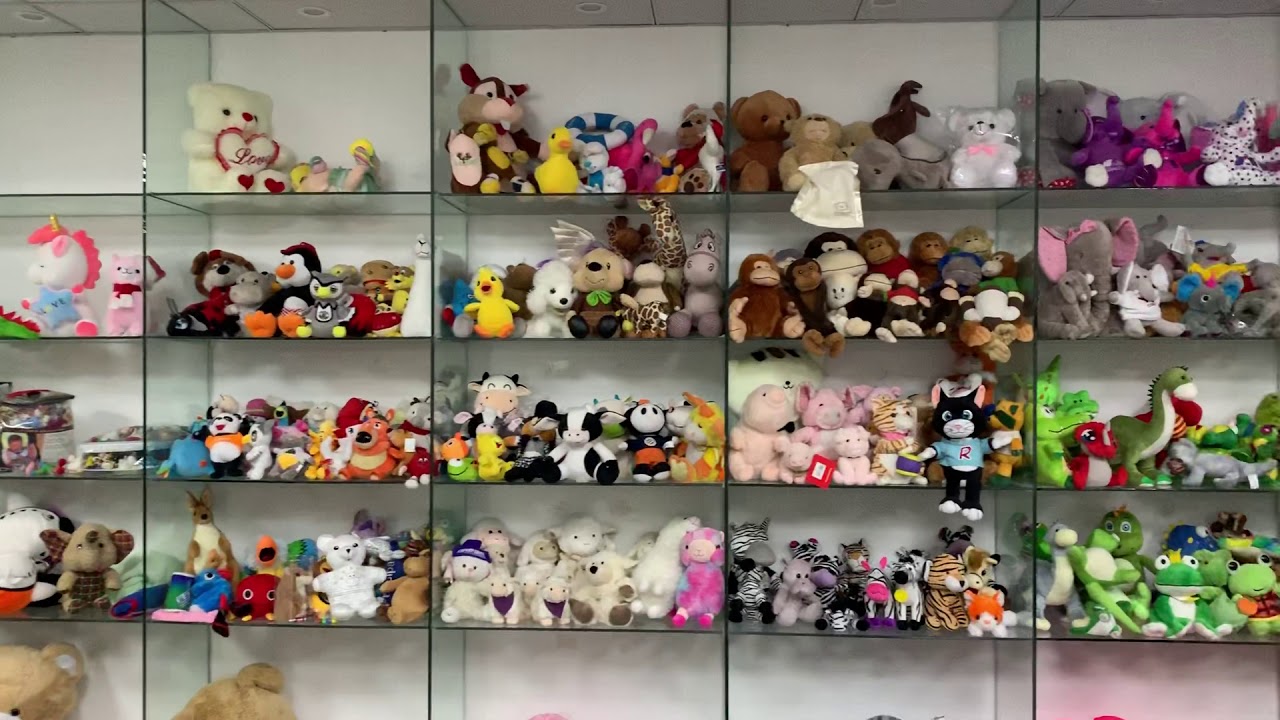
Custom Plush Toys

Why Stitch Density Matters: Preventing Open Seams and Stuffing Escape

Plush Toys Stitching

In plush toy manufacturing, most product failures do not happen because of poor design or weak materials. They happen because of stitching decisions that were made too quickly, too cheaply, or without understanding how plush toy fabric behaves under real-world use.

For brand owners, OEM buyers, and importers selling into the United States, stitch density is not just a technical detail. It directly affects durability, safety compliance, product lifespan, and customer trust. Open seams, visible thread gaps, and stuffing escape are among the most common reasons plush toys fail quality inspections, consumer safety tests, and retail acceptance.

This article explains why stitch density matters from a manufacturing and sourcing perspective. It covers how stitch density interacts with plush toy fabric, what goes wrong when it is incorrect, how factories actually control it on the production floor, and how experienced sourcing professionals evaluate it before approving bulk orders.

Understanding Stitch Density in Plush Toy Manufacturing

What Stitch Density Actually Means

Stitch density refers to the number of stitches per inch or per centimeter applied during sewing. In plush toys, this measurement determines how tightly fabric panels are held together and how much resistance the seam has against stress.

In real factory environments, stitch density is adjusted based on:

• Fabric thickness and pile height
• Stretch behavior of the plush toy fabric
• Stuffing pressure after filling
• Intended age group and safety requirements
• Expected handling and washing conditions

There is no universal stitch density that works for all plush toys. Each fabric and product type requires calculated adjustments.

Why Stitch Density Is Critical for Plush Toy Fabric Performance

Fabric Behavior Under Stress

Plush toy fabric behaves very differently from woven apparel fabric. Most plush materials such as minky, faux fur, coral fleece, and PV velvet are knit-based or pile fabrics. These fabrics stretch, compress, and rebound repeatedly during use.

If stitch density is too low:

• Fabric stretches between stitches
• Seam gaps become visible
• Stuffing migrates through the seam
• Seams eventually rupture

If stitch density is too high:

• Fabric fibers tear under needle stress
• Seam stiffness increases
• Fabric puckering occurs
• Production speed decreases

Experienced manufacturers aim for balanced stitch density that works with the fabric rather than against it.

Open Seams: How and Why They Happen

Common Causes of Open Seams

Open seams in plush toys rarely happen randomly. They are almost always the result of one or more of the following:

• Low stitch density on stretch fabrics
• Incorrect stitch type for plush pile
• Excessive stuffing pressure
• Weak thread selection
• Poor seam allowance control

In factory audits, open seams frequently appear after stuffing and shaping, not during sewing itself. This is why stitch density decisions must consider the entire production process.

Real Factory Scenario

In one production run of 10,000 plush animals using minky fabric, a buyer requested softer hand feel and reduced visible stitching. The factory lowered stitch density without adjusting seam allowance or thread strength.

During stuffing, seam tension increased. After carton compression during shipping, 12 percent of units developed seam gaps within two weeks of arrival at the warehouse. The entire batch required rework.

Stuffing Escape and Safety Risks

Why Stuffing Escape Is a Major Compliance Issue

In the United States, plush toys are regulated under ASTM F963 and CPSIA. Stuffing escape is considered a choking hazard, especially for toys intended for children under three years old.

Low stitch density allows:

• Fiberfill migration through seams
• Seam widening during compression
• Failure during tension testing
• Non-compliance during pull tests

Once stuffing escapes, the product is no longer compliant, regardless of material quality.

Stitch Density vs Stuffing Ratios

How Stuffing Pressure Affects Seam Performance

Stuffing ratios are often adjusted late in production to improve appearance. Increasing stuffing density without adjusting stitch density is one of the fastest ways to cause seam failure.

Experienced factories calculate stitch density after stuffing trials, not before. This ensures seams can withstand internal pressure during:

• Normal handling
• Drop tests
• Compression during shipping
• Long-term use

Stitch Density and Plush Toy Stitching Techniques

Common Stitch Types Used in Plush Toys

Different stitching techniques interact differently with plush toy fabric:

• Lock stitch provides strength but limited stretch
• Chain stitch allows flexibility but needs higher density
• Zigzag stitch accommodates stretch but increases thread usage
• Overlock stitch secures raw edges but does not replace structural seams

Plush Toys Stitching decisions are rarely about speed alone. They are about managing long-term seam integrity.

Quality Control Checks for Stitch Density

How Factories Actually Test Stitch Density

On the production floor, stitch density is verified through:

• Visual seam inspection under tension
• Manual pull tests
• Measurement using stitch counters
• Random destructive testing

Factories that skip stitch density checks rely on luck. Factories that manage it rely on data.

When Problems Are Detected Too Late

If seam failure is discovered after mass production:

• Re-stitching is labor intensive
• Lead times are extended
• Cost increases significantly
• Buyer trust is damaged

This is why stitch density is reviewed during pre-production sampling, not after bulk cutting.

Plush toy sewing

Stitch Density Trade-Offs in Manufacturing

Cost vs Quality

Higher stitch density increases:

• Sewing time
• Thread consumption
• Machine wear

Lower stitch density reduces costs initially but increases rejection risk. Experienced sourcing managers understand that stitch density is a controlled cost, not an avoidable one.

Handmade vs Machine-Assisted Stitching

Handmade plush toys allow for micro-adjustments in stitch density but lack consistency at scale. Machine-assisted production ensures repeatability but requires precise setup and monitoring.

Small Batch vs Mass Production Considerations

In small batches, stitch density adjustments are easier. In mass production:

• Machine calibration becomes critical
• Operator training affects consistency
• Fabric variation across lots must be considered

This is why experienced manufacturers test each fabric lot before bulk stitching.

Decision Logic Used by Experienced Buyers

Professionals sourcing Plush Toys do not ask factories for stitch density numbers alone. They evaluate:

• Seam strength under load
• Fabric recovery after stretching
• Compliance test results
• Long-term durability feedback

The goal is not maximum stitch density. The goal is controlled seam performance.

Industry Insights and Data

• ASTM F963 emphasizes seam integrity in tension testing
• CPSIA enforcement actions frequently involve seam failures
• Retail rejection reports cite seam gaps as a top defect category
• Third-party labs note higher failure rates in low-density stitching on plush fabrics

Internal Linking Opportunities

• Plush Toys Manufacturing Process
• Plush Toy Fabric Selection Guide
• Custom Plush Toy Manufacturing
• OEM Plush Toys for USA Market

Suggested External References

• ASTM International Toy Safety Standards
• U.S. Consumer Product Safety Commission
• Intertek and SGS Toy Testing Resources

FAQs

How do I know if stitch density is too low

If seams stretch visibly when pressed or stuffing can be felt through the seam, stitch density is likely insufficient. Testing under compression provides clearer confirmation.

Does higher stitch density always mean better quality

No. Excessive stitch density can weaken plush toy fabric by cutting fibers. The correct density balances strength and flexibility.

Can stitch density affect toy softness

Yes. Overly dense stitching can make seams stiff and affect hand feel. Proper density preserves softness while maintaining strength.

How does stitch density affect safety testing

Low stitch density increases the risk of seam failure during pull and tension tests required for ASTM F963 compliance.

Should stitch density change for different fabrics

Absolutely. Minky, faux fur, and coral fleece all require different stitch density settings due to varying stretch and pile behavior.

Can stuffing type impact stitch density requirements

Yes. Higher loft or springier stuffing increases internal pressure and requires stronger seam construction.

Is stitch density discussed during RFQ stage

Experienced buyers request sample validation rather than numeric stitch density. Physical performance matters more than specifications alone.

Stitch density is one of the most underestimated yet critical decisions in plush toy manufacturing. It determines whether plush toy fabric holds together under real-world use or fails after minimal handling.

For brand owners and sourcing professionals supplying the USA market, understanding stitch density is essential for preventing open seams, stuffing escape, compliance failures, and costly rejections.

If you are developing or sourcing Plush Toys for custom, OEM, or bulk production, evaluating stitch density during sampling is one of the most effective ways to protect quality, safety, and long-term brand value.