
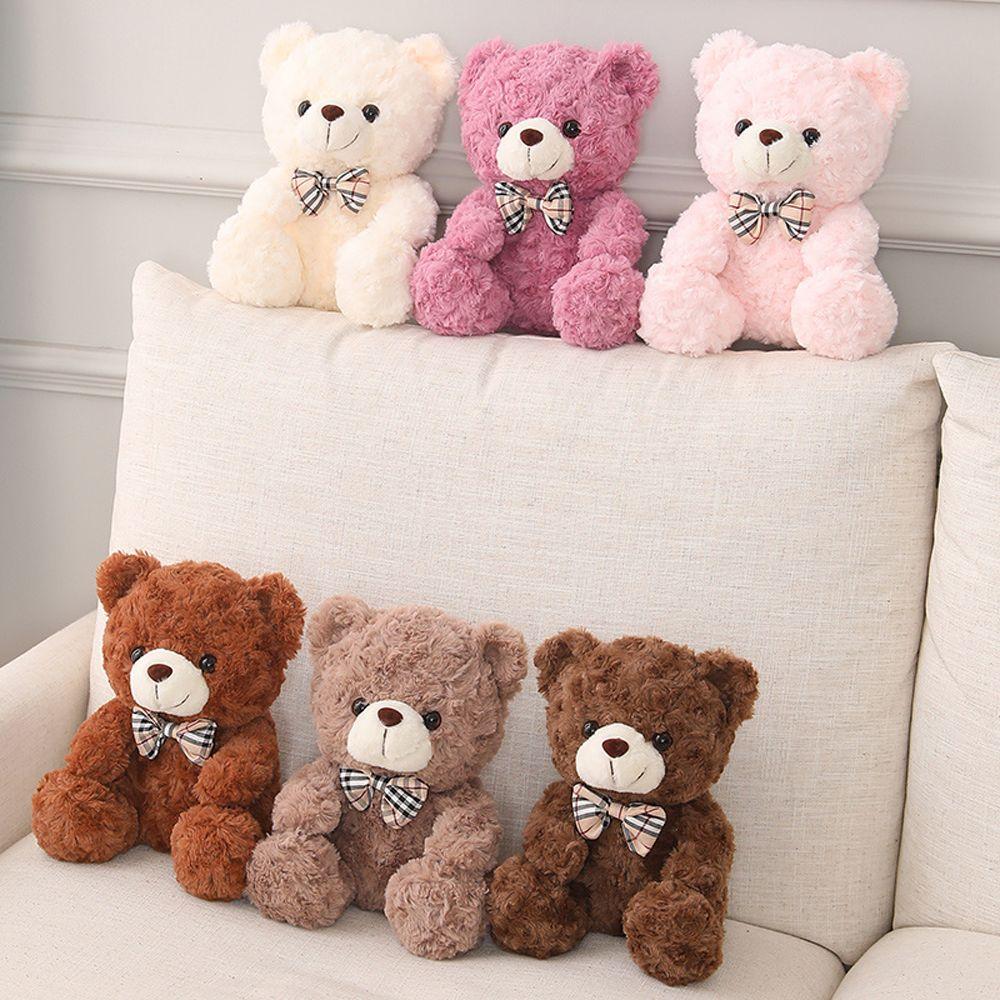
Plush toys are more than childhood comforts—they are a multi-billion-dollar industry, a powerful branding tool, and a fast-growing product category across retail, marketing, and licensing. From teddy bears and mascots to promotional plush and collector items, plush toys continue to evolve alongside consumer preferences and modern plush toy manufacturing.
According to Statista, the U.S. toy market generates over $40 billion annually, with plush toys consistently ranking among the top-selling categories. This guide explains what plush toys are, their types, materials, and how businesses in the USA use them today.
What Are Plush Toys?
Plush toys, also known as stuffed toys or soft toys, are fabric-based toys filled with soft materials such as PP cotton or polyester fiber. They are designed to be soft, safe, and tactile, making them popular with children, collectors, and brands.
From a production perspective, plush toys are textile products created through professional plush toy manufacturing processes including cutting, sewing, stuffing, embroidery, and quality inspection inside a specialized plush toy factory.
Modern plush toy factories prioritize compliance with U.S. safety standards such as ASTM F963 and CPSIA.
The Evolution of Plush Toy Manufacturing
Plush toys date back to the late 19th century, with teddy bears becoming iconic in the early 1900s. Today, the industry has evolved into a highly specialized manufacturing sector supported by advanced textile technology and global supply chains.
Key U.S. Industry Trends
- Eco-friendly and recycled plush materials
- Custom plush toys for branding and promotions
- Licensed character plush toys
- Low-MOQ plush toy manufacturing for startups
According to insights from The Toy Association (USA), American consumers increasingly value safety, sustainability, and customization when purchasing plush toys.
Types of Plush Toys
1. Plush Teddy Bears
Teddy bears are the most iconic plush toys worldwide. They are commonly used for gifts, souvenirs, promotional merchandise, and charity campaigns. Teddy bears are often the starting point for brands entering plush toy manufacturing.
2. Stuffed Animal Plush Toys
Stuffed animals include dogs, cats, wildlife characters, and fantasy creatures. These plush toys are widely used in zoos, museums, educational programs, and retail stores.
3. Character & Mascot Plush Toys
Custom mascot plush toys are based on brand characters, sports teams, or corporate mascots. They are frequently used in marketing campaigns and require precise design control from an experienced plush toy factory.
4. Baby Plush Toys
Baby plush toys are designed for infants and toddlers. They prioritize non-toxic materials, simplified shapes, and reinforced stitching. U.S. baby plush toys must meet strict CPSIA and ASTM safety standards.
5. Promotional & Custom Plush Toys
Promotional plush toys are used by companies for trade shows, product launches, and corporate gifts. They are a fast-growing segment in the U.S. marketing industry.
Plush Toy Material Used in Manufacturing
Material selection directly impacts product safety, durability, cost, and customer satisfaction. A professional plush toy factory helps brands choose the right materials for their target market.
Common Plush Fabrics
- Velboa Plush: Durable, cost-effective, and widely used
- Minky Fabric: Ultra-soft and premium, popular for baby plush toys
- Fleece: Lightweight and suitable for simple designs
Filling Materials
- PP Cotton (Polyester Fiberfill): Lightweight, resilient, and hypoallergenic
- Foam & Specialty Fillings: Used for structured or large plush toys
Safety & Compliance Materials
For the U.S. market, plush toy manufacturing must ensure lead-free dyes, secure accessories, and compliance with ASTM F963, CPSIA, and California Proposition 65.
How Plush Toys Are Used Today
Retail & E-Commerce
Plush toys are top sellers in gift shops, specialty toy stores, and online marketplaces such as Amazon and Etsy.
Branding & Marketing
Custom plush toys help brands increase recall, build emotional connections, and stand out in marketing campaigns. Studies show plush promotional products often outperform traditional giveaways.
Education & Healthcare
Plush toys are widely used in child therapy, hospitals, and educational storytelling programs due to their comforting nature.
Entertainment & Licensing
Licensed plush toys based on movies, TV shows, and games require high-quality plush toy manufacturing and strict intellectual property compliance.
Why Choosing the Right Plush Toy Factory Matters
For U.S. buyers, selecting a reliable plush toy factory ensures consistent quality, safety compliance, on-time delivery, and scalable production.
- Verified factory certifications
- Experience with U.S. safety regulations
- Sampling and prototyping capabilities
- Strict quality control systems
Common Questions About Plush Toys
Are plush toys safe for children?
Yes, when produced by a compliant plush toy factory that meets ASTM and CPSIA standards.
What is the minimum order quantity?
MOQ varies by design, but many manufacturers now offer low-MOQ plush toy manufacturing options.
How long does plush toy production take?
Sampling usually takes 7–15 days, while mass production takes 25–40 days.
Actionable Tips for Brands & Buyers
- Start with simple designs to control costs
- Request physical samples before mass production
- Confirm U.S. compliance testing early
- Work with experienced custom plush toy manufacturers
Why Plush Toys Continue to Thrive
Plush toys combine emotion, design, and professional manufacturing expertise. In the competitive U.S. market, success depends on understanding materials, safety standards, and working with the right plush toy manufacturing partner.
Ready to create custom plush toys for the USA market?
Partner with a trusted plush toy factory to bring your ideas to life safely, efficiently, and at scale.